The Impact of Impressionism on Contemporary Art
Impressionism, which emerged in France in the 1860s, marked a decisive break with academic painting traditions. Artists such as Claude Monet, Pierre-Auguste Renoir, and Edgar Degas sought to capture fleeting moments and the transient effects of light and atmosphere. Their approach emphasized perceptual experience over precise representation, often painting en plein air to observe nature directly. This shift in methodology laid the groundwork for numerous subsequent movements, influencing the trajectory of modern and contemporary art.
The innovations of Impressionism extended beyond technique; they signified a new way of seeing and interpreting the world. By focusing on the play of light and everyday subjects, the Impressionists challenged established hierarchies of genre and subject matter. Their works invited viewers to engage with the act of perception itself. This article explores the enduring impact of Impressionist principles on twentieth-century abstraction and contemporary visual culture, examining how light, color, and brushwork continue to inform artistic practice today.
Light and Atmosphere: Rethinking Representation
Impressionist artists revolutionized the depiction of light by abandoning the chiaroscuro and smooth blending favored by academic painting. Instead, they employed broken color and loose brushstrokes to suggest the vibrancy and variability of natural light. This approach reflected a shift from representing objects as fixed entities to capturing their appearance under specific conditions of illumination. The emphasis on optical sensation rather than intellectual knowledge encouraged a more subjective and experiential form of art.
This reorientation toward light had profound implications for subsequent movements. Post-Impressionists like Georges Seurat and Paul Cézanne extended the systematic study of color and form, leading to developments in Neo-Impressionism and eventually Cubism. The Fauves, led by Henri Matisse, pushed color autonomy to new extremes, using vibrant hues to express emotion rather than reproduce optical reality. In the twentieth century, movements such as Abstract Expressionism and Color Field painting continued to explore the emotive potential of color, often relying on the interaction of light and pigment to create atmospheric effects.
The influence of Impressionist light is also evident in contemporary art forms, including photography and digital media. Photographers like William Eggleston and Nan Goldin have cited Impressionist approaches to light as inspiration for their candid, sometimes atmospheric images. In digital art, artists manipulate light sources and color gradients to evoke mood, demonstrating the persistent relevance of Impressionist visual strategies.
Color Liberation: From Observation to Expression
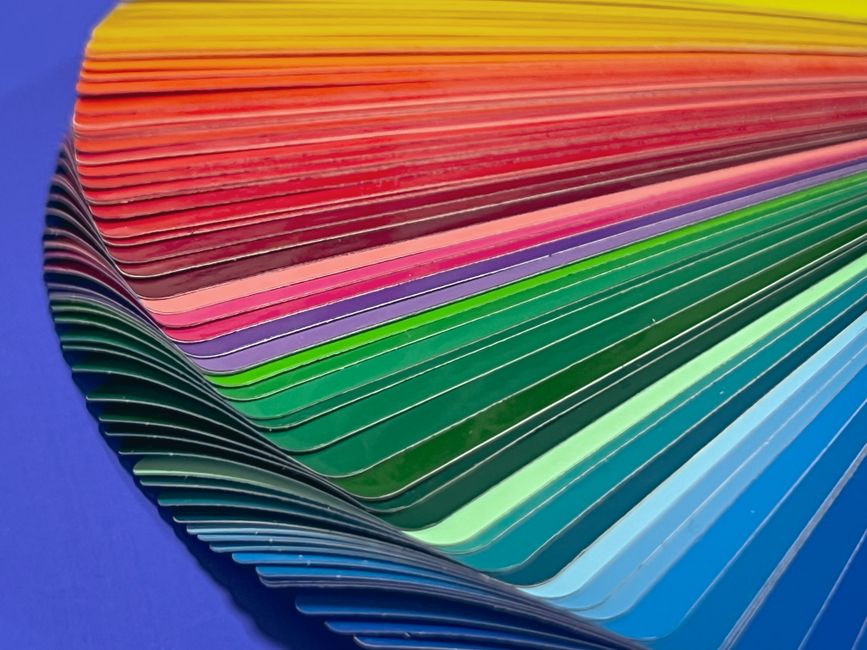
Impressionism freed color from its descriptive role, allowing it to function independently as a vehicle for expression and structure. By juxtaposing complementary colors and applying them in small dabs, artists created vibrant, shimmering surfaces that invited the eye to mix colors optically. This technique, known as optical mixing, broke with the traditional practice of premixing on the palette, giving rise to a more vibrant and luminous coloristic vocabulary.
The liberation of color was central to the development of abstraction. Wassily Kandinsky, often considered a pioneer of abstract art, pursued a theory of color that emphasized its spiritual and psychological effects. His paintings, such as “Composition VII,” employ intense colors in dynamic arrangements that echo the Impressionist interest in visual impact. Similarly, Kazimir Malevich’s Suprematism used geometric forms and pure colors to express a new reality detached from object representation. The shift toward color as a structural element reached its zenith in the mid-twentieth century with Color Field painting, championed by Mark Rothko and Helen Frankenthaler, who used large fields of color to evoke emotional responses akin to music.
In contemporary practice, color remains a pivotal concern. Artists like Julie Mehretu and Olafur Eliasson incorporate vibrant palettes to address contemporary issues. Mehretu’s layered paintings use color to delineate spatial and social complexities, while Eliasson’s installations employ colored lighting to alter the viewer’s perception of space. These examples demonstrate how Impressionist explorations of color have expanded into multifaceted inquiries that range from personal expression to environmental and sociopolitical commentary.
Brushwork and the Materiality of Painting
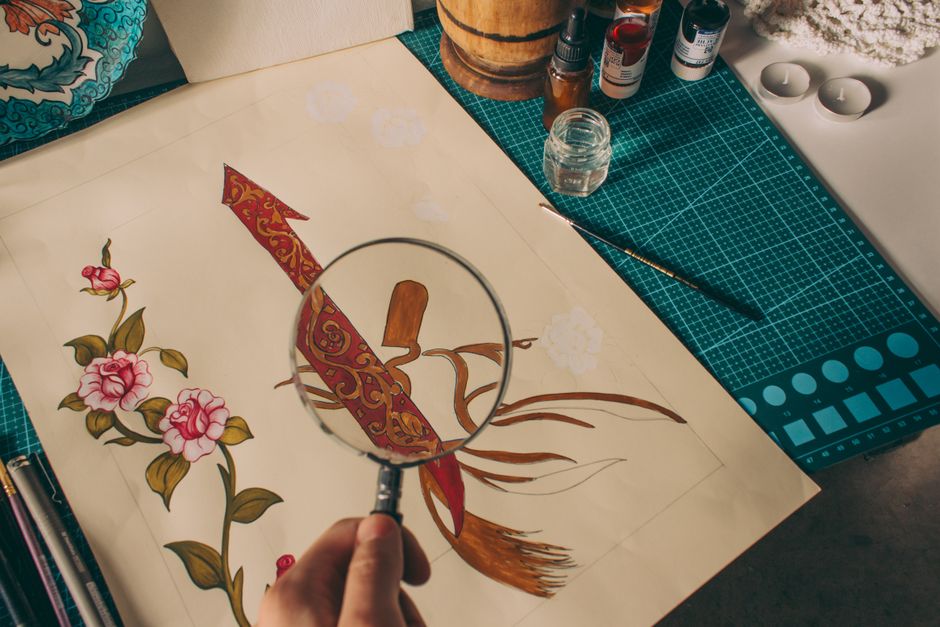
Impressionist brushwork was revolutionary in its visibility and materiality. Rather than concealing the artist’s hand, the Impressionists celebrated it, using swift, gestural strokes that captured the essence of a scene and conveyed the artist’s immediate response. This emphasis on the mark of the brush highlighted the act of painting itself, shifting the focus from the subject to the process of creation.
This gestural approach directly influenced the development of abstract expressionism. Jackson Pollock’s drip paintings and Willem de Kooning’s aggressive brushwork owe a debt to the Impressionist liberation of gesture. The emphasis on process over product, on the physical act of painting, became central to the abstract expressionist ethos. Artists like Cy Twombly and Gerhard Richter have continued to explore the expressive potential of brushwork, whether through scribbling or scraping, affirming the enduring significance of the mark.
In contemporary art, brushwork and materiality remain significant. The rise of painterly abstraction among artists such as Cecily Brown and Daniel Richter reflects a continued engagement with the tactile qualities of paint. Furthermore, the digital age has introduced new tools that emulate brushwork, bridging traditional and digital media. The tactile and gestural elements in virtual painting applications underscore the lasting influence of Impressionist techniques.
Modern Visual Culture: Photography, Film, and Digital Media
The Impressionist emphasis on light and color has permeated modern visual culture beyond fine art. Photography, which emerged concurrently with Impressionism, developed a symbiotic relationship with the movement. Early photographers experimented with soft focus and atmospheric effects to mimic Impressionist paintings, establishing a discourse between the two media. Contemporary photographers often reference Impressionist aesthetics to evoke nostalgia or a sense of immediacy.
Film is another domain where Impressionist influence is palpable. Cinematographers employ lighting and color grading to create mood, often drawing inspiration from Impressionist palettes. The French Impressionist cinema movement of the 1920s, though short-lived, explicitly sought to capture the subjective visual experience. Today, directors like Terrence Malick and Wong Kar-wai utilize natural light and vivid colors to achieve a lyrical visual style reminiscent of Impressionism.
Digital media and virtual realities extend this legacy further. Artists and designers use software to manipulate light and color in ways that recall Impressionist principles, while simulations of brushwork in digital painting applications democratize the technique. Social media platforms abound with images that echo Impressionist aesthetics, from atmospheric landscapes to candid moments of everyday life. This pervasiveness attests to the deep imprint of Impressionism on contemporary visual culture.
Impressionism’s Legacy: Challenges and Controversies
While the impact of Impressionism is widely acknowledged, its legacy is not without debate. Some critics argue that the movement’s focus on perception and subjectivity paved the way for a modernist emphasis on the artist’s personal expression, which has sometimes led to a neglect of social realism and political engagement. Others contend that Impressionism’s innovations have been so assimilated that its radical origins are often overlooked, reinforcing a sanitized view of art history.
In contemporary discourse, artists and scholars revisit Impressionism to address questions of inclusivity and representation. The movement’s depiction of leisure and everyday life raised issues of class and gender, which are now examined from critical perspectives. This ongoing reassessment ensures that Impressionism remains a dynamic subject of study, relevant to current concerns.
Moreover, the global reach of Impressionism has inspired diverse artistic responses. Contemporary artists from various cultural backgrounds reinterpret Impressionist techniques and themes, infusing them with local sensibilities. This cross-cultural exchange demonstrates the movement’s adaptability and enduring resonance.
The true subject of Impressionism is not the landscape or the figure, but the act of seeing itself.
In summary, the impact of Impressionism on contemporary art is multifaceted and profound. Its innovations in light, color, and brushwork have not only shaped the course of abstraction but also permeated photography, film, and digital media. While the movement’s legacy is subject to ongoing interpretation, its core principles of perceptual honesty and expressive freedom continue to inspire artists and viewers alike. Impressionism has thus secured a lasting place in the evolution of visual culture, prompting us to reconsider how we perceive and depict the world around us.